GUI Concept for Complex Sensor
Task
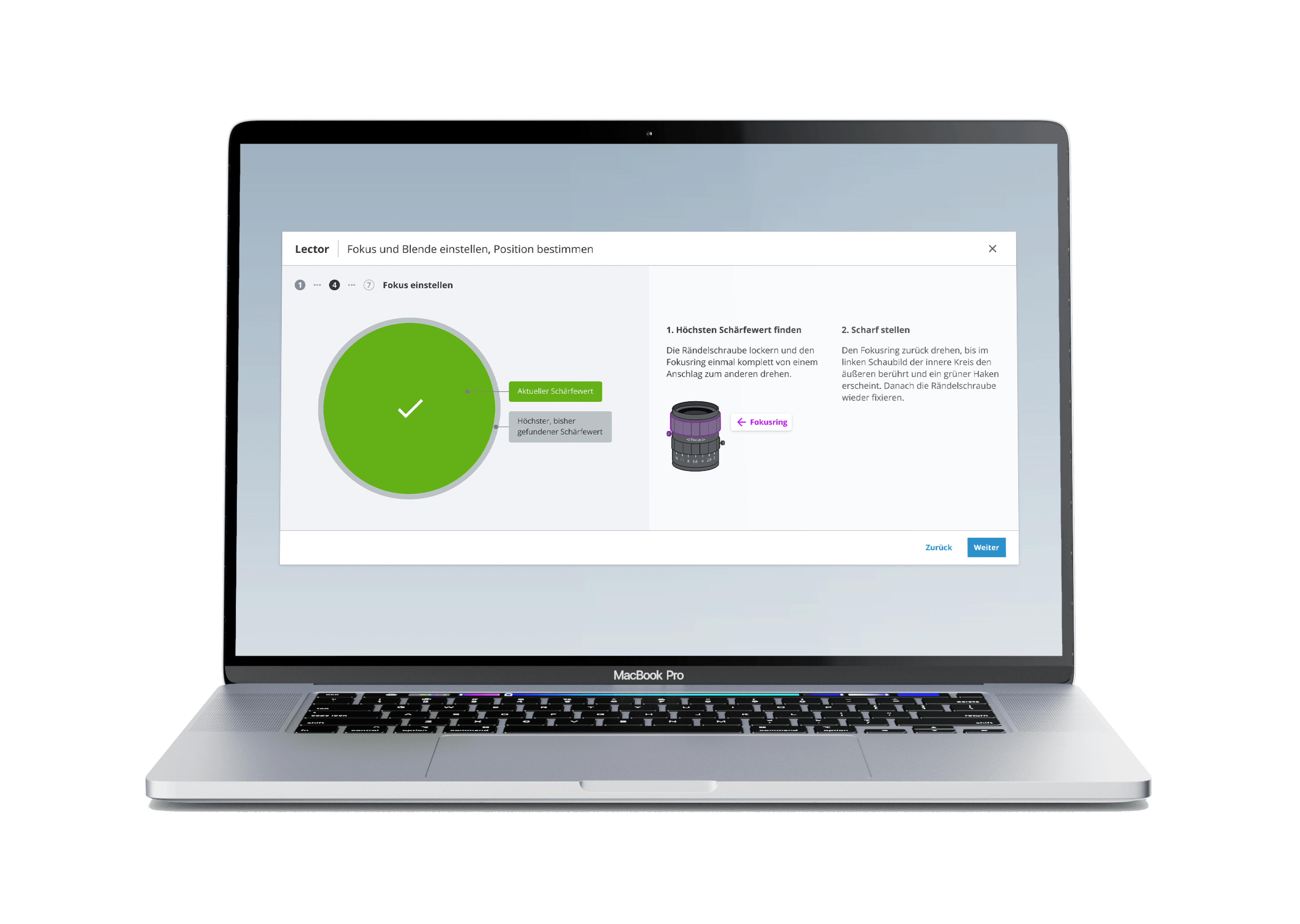
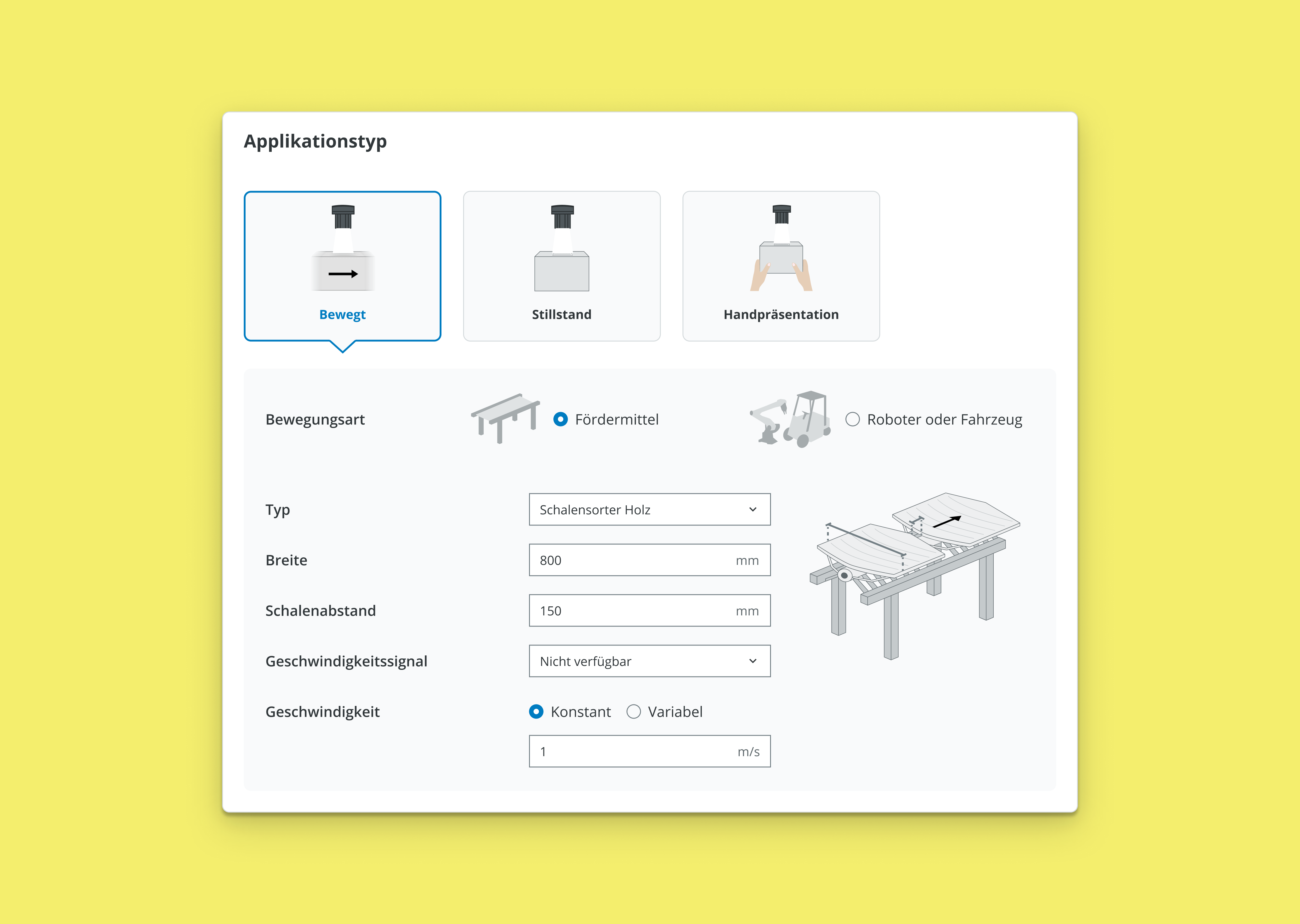
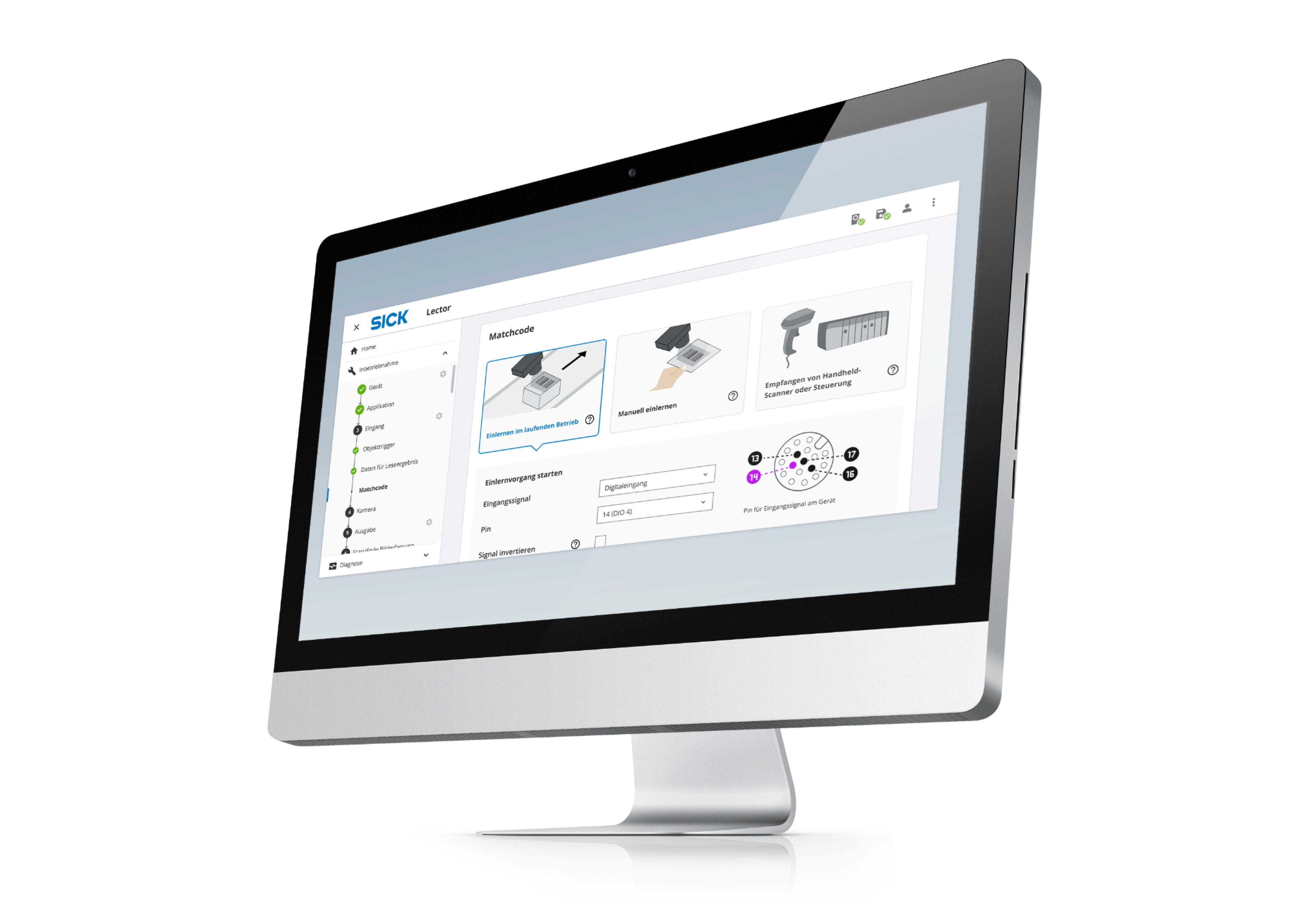
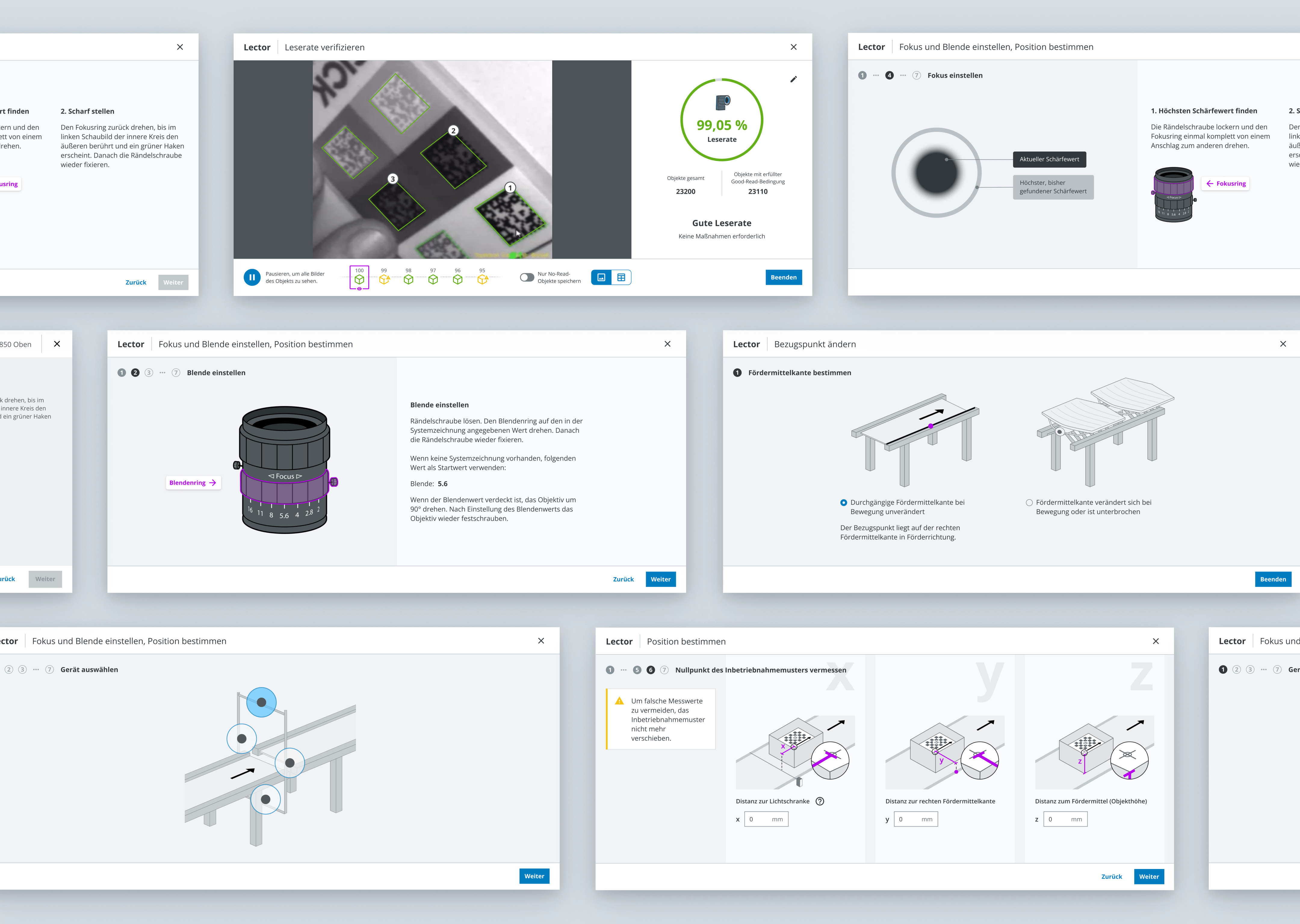
After mohr:media had already developed the web-based sensor platform for SICK, this project marked the next step: the implementation of an image-based code reader. The primary task was to reduce more than 900 configuration parameters in a way that enables users to commission the sensor within minutes without requiring expert knowledge.
Challenge
Despite high expectations placed on the UX team, collaboration with a dedicated and demanding product development team enabled innovative and highly tailored solutions. Different perspectives within the team led to intensive and valuable exchange, ultimately optimizing processes in the long term.
Targeted measures within the UX team strengthened the willingness to validate hypotheses using data and to make well-founded decisions, fostering a strong validation culture. Together with the client, a shared understanding of effective UX processes was established, resulting in a successful long-term collaboration.
Looking back, sales, development, and release goals motivated the team to remain agile and to respond flexibly to new requirements. Through the focused use of UX methods, high-quality results were achieved even under challenging conditions.
The ability to adapt to evolving requirements highlighted our strength in delivering sustainable, successful outcomes even in dynamic project environments.
Solution Approach
To address these challenges, both strategic and methodological design approaches were applied.
As a user-centered framework, Design Thinking promoted a deep understanding of user needs through empathy and enabled iterative development to quickly adapt to changing requirements.
With Lean UX, the focus shifted to hypotheses and rapid validation. This approach supported work in a dynamic environment with limited resources and allowed UX design to integrate seamlessly with agile development, enabling design and development to iterate hand in hand.
Cross-functional collaboration, such as involving all stakeholders (development, project management, product owners, and UX) in workshops and sprints, helped establish a shared understanding of goals, encouraged perspective exchange, and reduced misunderstandings.
By leveraging the client’s design system (also developed by mohr:media), consistent UI designs were created using reusable components. This resulted in high efficiency and quality across parallel development streams.
When dealing with constraints and complexity, additional key approaches were applied. First, reducing complexity by focusing on essential functions led to initial concepts that could be rapidly optimized through continuous iteration. Second, clear prioritization of requirements and design decisions based on cost, benefit, and time enabled fast progress.
Methodology
Methods are effective when they are embraced, supported, and ideally further developed by client teams. For the image-based code reader, a combination of sprint planning and Lean UX proved particularly effective.
Key methods used included Design Thinking, hypothesis-driven design, rapid prototyping, stakeholder workshops, Minimum Viable Product (MVP) definition and prioritization techniques, retrospectives, and feedback sessions.
Digital tools such as Figma and Adobe Creative Cloud (Illustrator, Photoshop) were used, complemented by hand sketching depending on the meeting format.
Core UX methods applied in this project included personas, customer journey mapping, contextual interviews, wireframing, and prototyping.
Outcome
According to client estimates, the project achieved the following improvements:
- Approximately 80% reduction in commissioning time
- Around 60% fewer service requests
- Approximately 80% reduction in input errors
- Roughly 60% fewer parameters required for commissioning, significantly simplifying the process
The product was released in 2022 and has since been regarded as groundbreaking in terms of processing speed and innovation. It is used in a wide range of applications across industries such as aviation and airports, logistics, and automation.
In addition, significant progress was observed in strengthening UX competence within the organization, particularly reflected in a more holistic and mature understanding of user experience.


Task
After mohr:media had already developed the web-based sensor platform for SICK, this project marked the next step: the implementation of an image-based code reader. The primary task was to reduce more than 900 configuration parameters in a way that enables users to commission the sensor within minutes without requiring expert knowledge.
Challenge
Despite high expectations placed on the UX team, collaboration with a dedicated and demanding product development team enabled innovative and highly tailored solutions. Different perspectives within the team led to intensive and valuable exchange, ultimately optimizing processes in the long term.
Targeted measures within the UX team strengthened the willingness to validate hypotheses using data and to make well-founded decisions, fostering a strong validation culture. Together with the client, a shared understanding of effective UX processes was established, resulting in a successful long-term collaboration.
Looking back, sales, development, and release goals motivated the team to remain agile and to respond flexibly to new requirements. Through the focused use of UX methods, high-quality results were achieved even under challenging conditions.
The ability to adapt to evolving requirements highlighted our strength in delivering sustainable, successful outcomes, even in dynamic project environments.
Solution Approach
To address these challenges, both strategic and methodological design approaches were applied.
As a user-centered framework, Design Thinking promoted a deep understanding of user needs through empathy and enabled iterative development to quickly adapt to changing requirements.
With Lean UX, the focus shifted to hypotheses and rapid validation. This approach supported work in a dynamic environment with limited resources and allowed UX design to integrate seamlessly with agile development, enabling design and development to iterate hand in hand.
Cross-functional collaboration—such as involving all stakeholders (development, project management, product owners, and UX) in workshops and sprints—helped establish a shared understanding of goals, encouraged perspective exchange, and reduced misunderstandings.
By leveraging the client’s design system (also developed by mohr:media), consistent UI designs were created using reusable components. This resulted in high efficiency and quality across parallel development streams.
When dealing with constraints and complexity, additional key approaches were applied. First, reducing complexity by focusing on essential functions led to initial concepts that could be rapidly optimized through continuous iteration. Second, clear prioritization of requirements and design decisions based on cost, benefit, and time enabled fast progress.
Methodology
Methods are effective when they are embraced, supported, and ideally further developed by client teams. For the image-based code reader, a combination of sprint planning and Lean UX proved particularly effective.
Key methods used included Design Thinking, hypothesis-driven design, rapid prototyping, stakeholder workshops, Minimum Viable Product (MVP) definition and prioritization techniques, retrospectives, and feedback sessions.
Digital tools such as Figma and Adobe Creative Cloud (Illustrator, Photoshop) were used, complemented by hand sketching depending on the meeting format.
Core UX methods applied in this project included personas, customer journey mapping, contextual interviews, wireframing, and prototyping.
Core UX methods applied in this project included personas, customer journey mapping, contextual interviews, wireframing, and prototyping.
Outcome
According to client estimates, the project achieved the following improvements:
- Approximately 80% reduction in commissioning time
- Around 60% fewer service requests
- Approximately 80% reduction in input errors
- Roughly 60% fewer parameters required for commissioning, significantly simplifying the process
The product was released in 2022 and has since been regarded as groundbreaking in terms of processing speed and innovation. It is used in a wide range of applications across industries such as aviation and airports, logistics, and automation.
In addition, significant progress was observed in strengthening UX competence within the organization, particularly reflected in a more holistic and mature understanding of user experience.

Mohr Media GmbH & Co. KG
UI / UX Design and Usability Engineering
Lindenweg 5
D–79183 Waldkirch